Can I Clone A Phone Number? 5 Methods Anyone Can Try

Can I clone a phone number? It’s a question many ask—whether out of curiosity, concern for a loved one, or for monitoring purposes. Cloning a phone number involves duplicating someone’s SIM or device identity to intercept calls, texts, or other data.
Cloning a phone number may sound like a quick fix, but it’s risky and often illegal. Most countries prohibit it, and doing so without consent can lead to serious consequences. Before asking, can I clone a phone number, consider the legal and ethical implications.
Why Would Someone Want to Clone A Phone Number?
Cloning a phone number is often associated with surveillance, monitoring, or gaining unauthorized access to someone’s private communication. People may want to clone a phone number for several reasons—some legal, others questionable.
For example, parents might attempt to monitor their child’s calls and texts, while others may seek to spy on a partner or gain access to social media or banking accounts linked to that number.
But the big question is: can I clone a phone number without triggering legal or security issues? While it might sound like a shortcut to surveillance, cloning carries major risks that often outweigh any benefit.
Is It Possible to Clone a Phone Number?
Many people wonder, can I clone a phone number to monitor their child’s activity and keep them safe from online threats? While the intent may be protective, cloning is rarely the right path. Not only is it technically complex, but it often borders on illegality, especially without the device owner’s consent.
Instead, there are ethical parental control tools designed specifically for this purpose. These apps offer location tracking, SMS and call monitoring, and app usage reports—all without breaking the law.
So while cloning a phone number may seem like a solution, it’s neither reliable nor safe for responsible parental monitoring.
The Dark Side of Cloning A Phone Number – Risks & Scams
Before cloning a phone number to access someone’s data, it's essential to understand the serious risks involved. Phone cloning isn’t just unethical—it opens the door to fraud, identity theft, and even criminal charges.
Hackers often use cloning to intercept calls, hijack two-factor authentication codes, or drain bank accounts.
Worse, many websites and apps promising “instant phone cloning” are scams themselves. They either steal your information or trick you into paying for fake services. What seems like a shortcut to control or knowledge can quickly become a security nightmare.
SafeMyKid – A Reliable Tool to Clone A Phone Number Safely
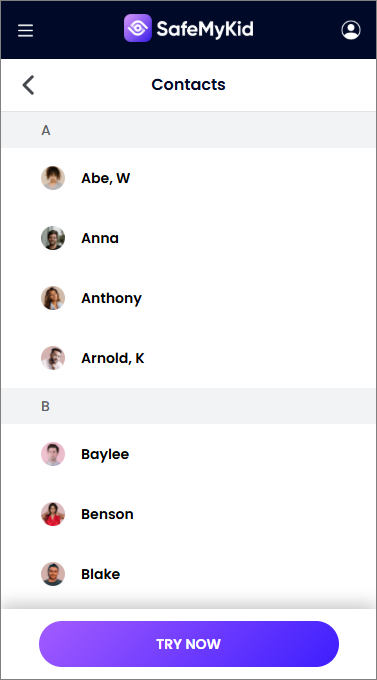
If you’re wondering, can I clone a phone number just to keep an eye on a loved one? There’s a safer and more effective solution—SafeMyKid. Instead of risking legal trouble, technical failure, or scams, SafeMyKid offers a legitimate way to monitor phone activity without cloning.
It’s designed for parents who want to protect their kids without breaking the law or breaching trust. The app gives access to call logs, texts, GPS location, and even social media activity—all in one secure dashboard.
Unlike cloning, it’s user-friendly, requires no SIM manipulation, and keeps your data safe. If your goal is safety and awareness, SafeMyKid gets you there without the risks of illegal phone cloning.
Key Features of SafeMyKid for Cloning A Phone Number
If you're asking, can I clone a phone number to monitor someone for safety reasons? SafeMyKid offers a safer, smarter way to achieve the same goals—without legal risks or technical complexity. Here's why:
- Complete Message Access– View all text messages, WhatsApp, Facebook Messenger, and other messaging app communications with full content and contact details.
- Real-Time Location Tracking– Monitor current location and movement history with precise GPS coordinates to verify whereabouts and explanations.
- Social Media Monitoring– Track activities across Instagram, Snapchat, Facebook, and other platforms where inappropriate relationships often develop.
- Call Log Monitoring– See incoming and outgoing calls with contact information, call duration, and timestamps to identify concerning communication patterns.
- Deleted Content Recovery– Access messages and photos that have been deliberately deleted to hide evidence of inappropriate relationships.
- Stealth Operation– Functions completely invisibly without app icons, notifications, or other indicators that might alert her to monitoring
How to Clone A Phone Number with SafeMyKid – Step-by-Step Guide
You don’t need to clone a SIM card or mess with illegal tools. SafeMyKid simplifies the process of phone monitoring legally and safely. Here’s how to set it up in just 3 easy steps:
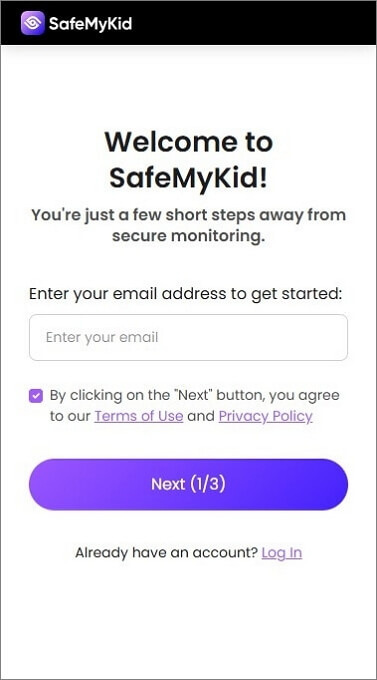
Step 1. Create Your SafeMyKid Account
Go to the official SafeMyKid website and sign up using your email.
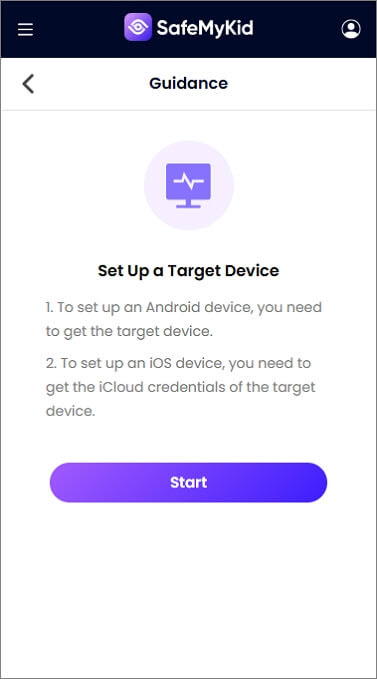
Step 2. Set up The SafeMyKid App
For Android: Install the SafeMyKid app directly on the target device.
For iPhone: Use iCloud credentials to establish secure message monitoring without physical installation or jailbreaking.
Step 3. Start Cloning A Phone Number Using SafeMyKid
Log in to your SafeMyKid dashboard. Select the target device to clone a phone number and instantly access all calls, text messages, and media linked to that number.
5 Shocking Methods People Use to Clone A Phone Number
If you've ever asked, “Can I clone a phone number?”—these methods might shock you. While they may seem clever or even effective, each comes with major risks.
Here’s a breakdown of how these methods work and the hidden dangers behind them.
1. SIM Swapping
SIM swapping is a technique where a hacker tricks a mobile carrier into switching a victim’s phone number to a new SIM card. Once successful, the attacker gains full control over calls, texts, and 2FA codes.
It’s widely used in identity theft and financial fraud. Criminals often pose as the account owner using stolen personal data.
Limitations: 
- Illegal and prosecutable in most countries
- Requires access to personal identity details
- Easily traceable through telecom providers
- Can lock victims out of their own accounts
2. Phone Cloning Apps
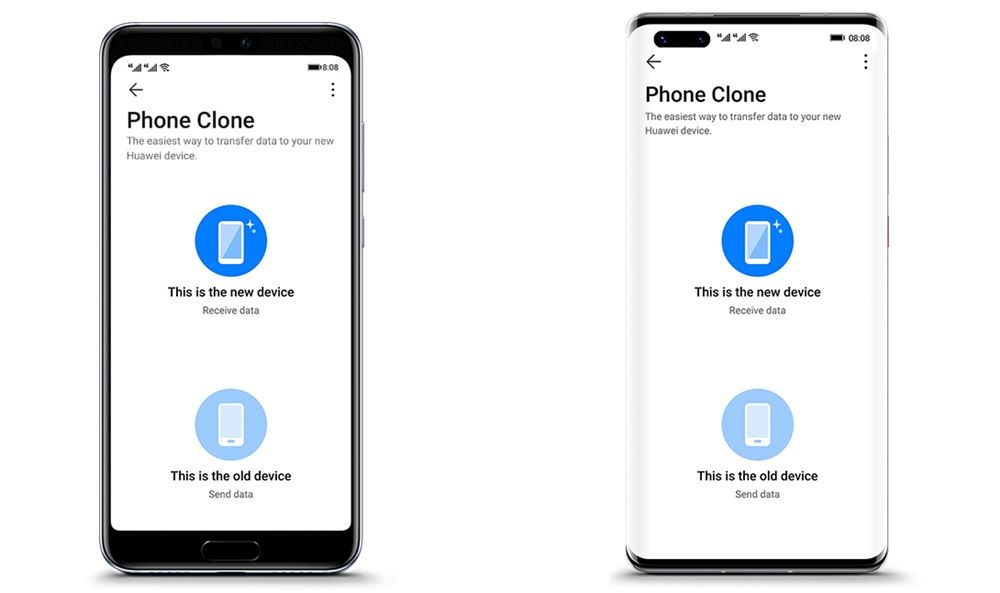
These apps claim to replicate a phone’s data or number remotely. Many appear on shady websites, promising access to calls, texts, and even location. While some mimic spyware, they rarely perform real cloning. Most are clickbait or malware in disguise.
Limitations:
- Typically, scams or viruses
- Don’t clone the number, only steal limited data
- Can compromise your own phone’s security
- Often blocked by phone OS and antivirus software
3. IMSI Catchers (Stingrays)
These are fake cell towers used to intercept nearby phones by pretending to be legitimate towers. Once connected, calls and texts can be monitored. Often used by government agencies, they’re powerful—but not accessible to the public.
Limitations:
- Illegal for private use in most regions
- Extremely costly and hard to obtain
- Easily detected with anti-surveillance tools
- Only useful in specific physical areas
4. Bluetooth Cloning Tools
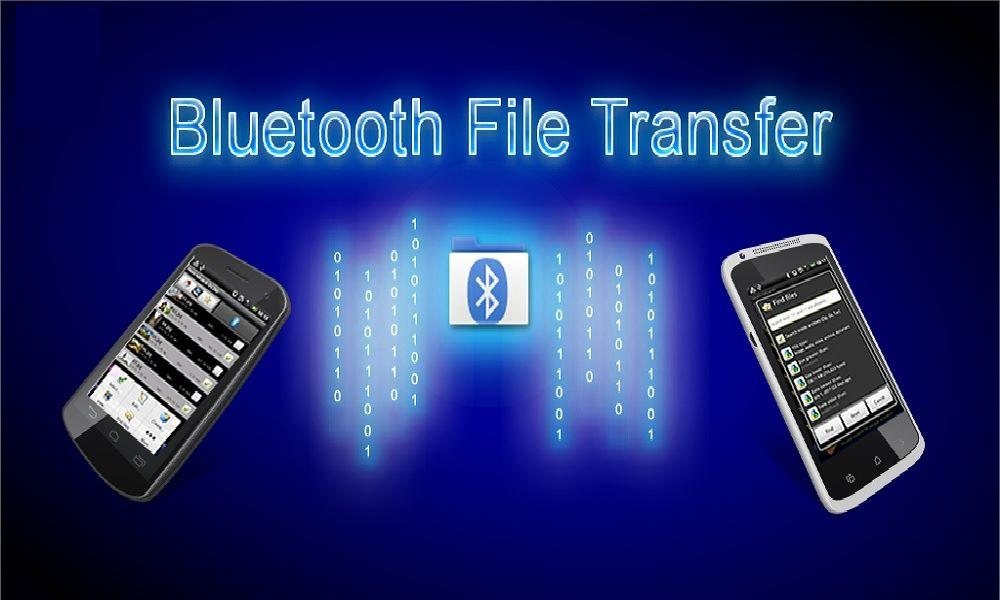
Some older techniques use Bluetooth to access and copy phone data from nearby devices. Attackers scan for unsecured connections to exploit weaknesses. This method is mostly outdated and no longer reliable on modern phones.
Limitations:
- Requires close physical proximity
- Only works on outdated or unsecured devices
- Cannot access or replicate the SIM or the number
- Very limited in scope and success rate
5. Malicious Spyware Tools
Spyware apps don’t clone the phone number but simulate it by tracking the target’s phone activity in real time. Once installed, they can access messages, call logs, and even GPS. However, these tools require direct access or a phishing attempt.
Limitations:
- Needs physical access or remote trickery
- Illegal to use without consent
- Only mimics activity—not actual number cloning
- Detected by most mobile security systems
Is It Legal to Clone A Phone Number? What The Law Says
Many people who wonder if they can clone a phone number are unaware that doing so without permission is illegal in most parts of the world. Cloning a number typically involves duplicating someone’s SIM data or IMEI number, which is considered a form of identity theft or telecommunications fraud.
Most countries have strict privacy laws protecting mobile users. Cloning someone’s number to access their calls, messages, or apps—especially without their knowledge—can lead to serious consequences, including heavy fines or even jail time.
Even if your reason feels justified, like protecting a loved one, the law rarely makes exceptions.
Instead of risking legal trouble, it’s better to explore monitoring solutions that are transparent, consensual, and within the boundaries of the law.
FAQs about Cloning A Phone Number
Before you try or even consider phone number cloning, here are some frequently asked questions about whether you can clone a phone number.
1. Is phone number cloning the same as phone mirroring?
No. Cloning copies the number’s identity, while mirroring reflects device activity. Cloning is riskier and often illegal.
2. Can I get caught cloning someone’s number?
Yes. Cloning leaves digital traces and can be tracked by telecom providers or law enforcement.
3. What are the penalties for cloning a phone number?
Penalties vary by country but can include hefty fines, lawsuits, and up to several years in prison.
4. Is it worth it to clone a number just to check messages?
No. The risks outweigh the rewards. You may lose trust, face legal action, or fall victim to scams.
5. Can someone clone my number and use it for scams?
Yes, but it’s usually done through spoofing, not true cloning. If this happens, you may see unknown calls or texts appearing in your call records—contact your carrier immediately.
Conclusion
Many people ask themselves, “Can I clone a phone number?” to monitor someone’s activity or protect a loved one. While it may seem like a quick solution, cloning is illegal, risky, and often leads to scams or legal trouble.
It’s not only a technical challenge but also a serious breach of privacy. Instead of taking that route, it's smarter to rely on safe, lawful alternatives that respect personal boundaries. In the end, the risks of cloning far outweigh any short-term benefit.



 Hot Topics