When a Cheating Wife Pretends The Phone Signal Was Bad: 6 Methods for Clarity

If you suspect that a cheating wife pretends the phone signal was bad to avoid your calls, navigating these communication gaps can be incredibly stressful.
While technical glitches happen, recognizing recurring behavioral patterns and leveraging official network logs can help restore digital transparency in your marriage.
Quick Insights: Repeated communication gaps blamed on technical issues like "bad cellular reception" can often indicate deeper relational boundaries or a need for transparency.
Rather than relying on confrontational tracking methods, utilizing official cloud-based backup logs, carrier account summaries, or authorized data verification platforms remains the most secure, legally compliant path to establishing relationship clarity.

Understanding Device Privacy and Behavioral Changes in Relationships
When you start noticing unexpected shifts in cellular boundaries, it's natural to seek objective clarity regarding relationship transparency.
If a partner establishes strict boundaries around their device-such as keeping it locked continuously or blocking notification visibility-it often signals an underlying shift in communication comfort levels.
The recurring explanation of a "poor connection" can occasionally be used to defer communication in real-time. When this pattern occurs alongside delayed responses without context, it typically reflects a conscious management of digital availability rather than actual network limitations.
In relationship psychology, these patterns often correlate with emotional detachment or defensive boundary management. The device transitions into a strictly isolated personal zone, where uncoordinated inquiries are frequently perceived as an interpersonal threat.

Addressing Defensive Responses to Phone Verification
It's important to analyze the underlying causes when defensive reactions arise during device discussions. This emotional friction is often rooted in boundary anxiety or apprehension regarding accountability, rather than a simple desire for basic privacy.
Evaluating Unexplained Emotional Distance
In many scenarios, device isolation is a secondary symptom of a broader drift. Unexplained variations in daily routines, emotional withdrawal, and general scheduling inconsistencies often point toward a structural breakdown in the relationship dynamic, requiring systematic verification.
6 Secure Ways to Catch a Cheating Wife Who Pretends The Phone Signal Was Bad
If you suspect a profound shift in your relationship dynamic, utilizing structured, verifiable methods is essential for obtaining objective truth. Below are six secure avenues to address communication discrepancies and establish verifiable clarity.
1. Use SafeMyKid - The Leading Data Verification Platform
The most effective way to analyze digital inconsistencies is through SafeMyKid, a top-tier account synchronization and device management tool designed for data verification.

SafeMyKid allows you to securely review call history logs, text archives, location mapping, and application analytics. It operates efficiently as an authorized background system service on configured Android devices.
Why SafeMyKid Is Optimized for Verifying Communication Logs
SafeMyKid provides an analytical approach to resolving text discrepancies and connection claims. Through its secure processing framework, the software grants verified insights into active data flows, confirming whether technical network issues match real-time system performance.
The top technical features of SafeMyKid include:
- Real-time location logging: Verify active geolocation data to match situational context against communication claims.
- Access to text archives and call logs: Audit incoming and outgoing communication data points to identify unrecognized contacts.
- Social platform activity reporting: Maintain complete visibility over integrated messaging platforms (including WhatsApp, Instagram, and Snapchat) to review secondary communication channels.
- Web history index and record recovery: Evaluate historical browsing data and data logs to identify patterns of information deletion.
SafeMyKid's comprehensive tracking features make it easy to spot any discrepancies in her story and catch her in the act, ensuring you have the facts to confront her with confidence.
How to Synchronize Devices via SafeMyKid
Configuring SafeMyKid delivers structural data consistency. The platform features an automated installation framework designed to maintain steady background diagnostic logging without disrupting device UI performance.
Android Account Data Synchronization Steps
Step 1. Register an administrative profile on the official SafeMyKid portal.
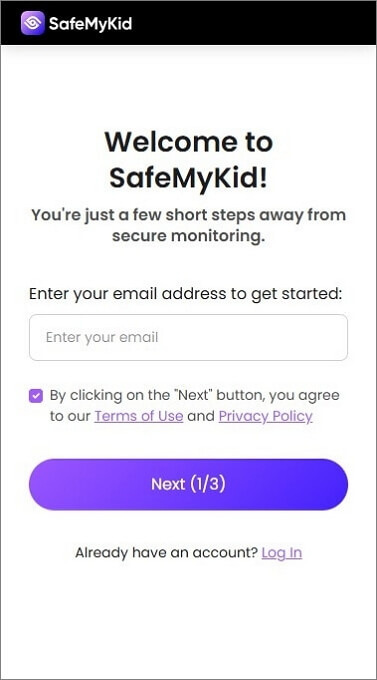
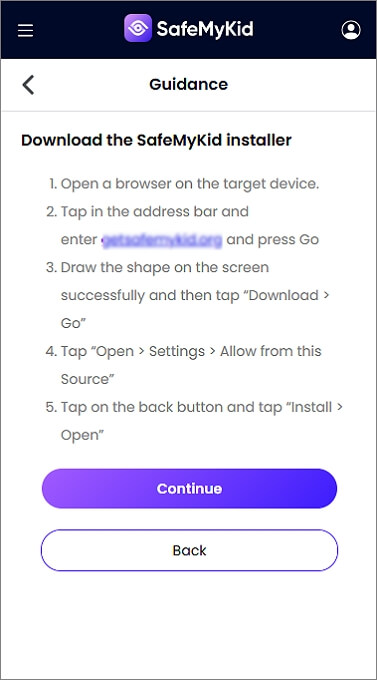
Step 2. Deploy the utility onto the designated Android device during a scheduled administrative configuration window. The background service integrates seamlessly into the system layer.
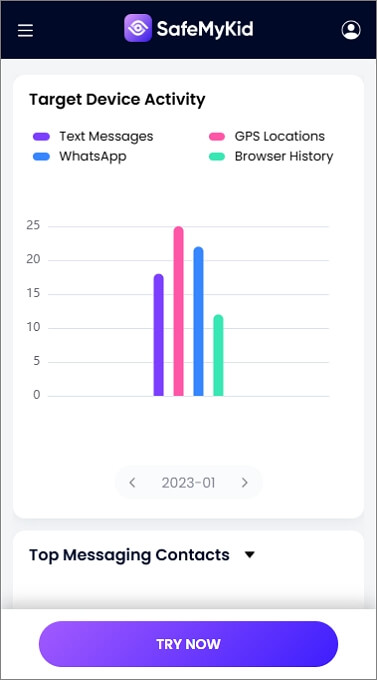
Step 3. Access the secure cloud control panel from any authorized browser to monitor live connectivity logs and data feeds.
iOS Cloud Backup Verification Steps
Step 1. Establish a secure master account via the official website portal.
Step 2. No client-side application installation required. Simply input the authorized cloud ecosystem credentials to sync the platform with current data backups.
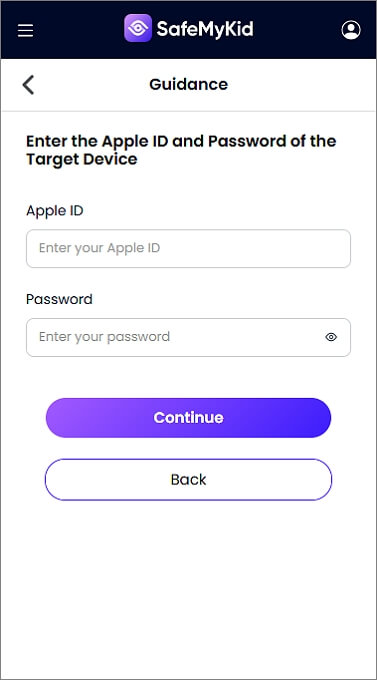
Step 3. Review the compiled data index via your personal web interface to check remote status updates.
SafeMyKid is simple, accurate, and designed for parents and partners concerned about safety or trust. Unlike other apps, SafeMyKid provides a user-friendly dashboard with all the insights you need.
2. Observe Her Routine and Changes in Behavior

Has she suddenly started working late, hanging out with "friends" you've never met, or guarding her schedule? Behavioral shifts like these are often early indicators of cheating.
Look for unexplained absences, more time spent on her phone, or frequent mood swings.
Recommended Actions:
- Document Behavioral Shift Logs: Maintain a neutral, timestamped record of recurrent scheduling variations and communication connection claims.
- Initiate Contextual Communication: Inquire calmly about timeline variations to verify if the technical explanations remain coherent over an extended period.
- Propose Collaborative Time Management: Suggest engaging in shared activities during the alleged dropped-signal intervals to evaluate open collaboration willingness.
3. Check Her Communication Patterns

If her texting habits have changed-like late-night messages, deleted threads, or frequent calls you never hear about-it's time to be alert.
Check for new contacts with strange names or frequent unknown numbers.
Recommended Actions:
- Inquire Casually About Unknown Logs: Address unfamiliar incoming numbers or contact tags neutrally during a standard conversation and observe the natural baseline reaction.
- Monitor Behavioral Evasion Patterns: Keep track of repeated instances where conversational spaces are abruptly left or phone screens are concealed when alerts appear.
- Propose Shared Accountability Policies: Leverage mutual relationship trust to discuss an open-device baseline, establishing clear emotional boundaries regarding digital transparency.
4. Review Data Synchronization and Application Architecture
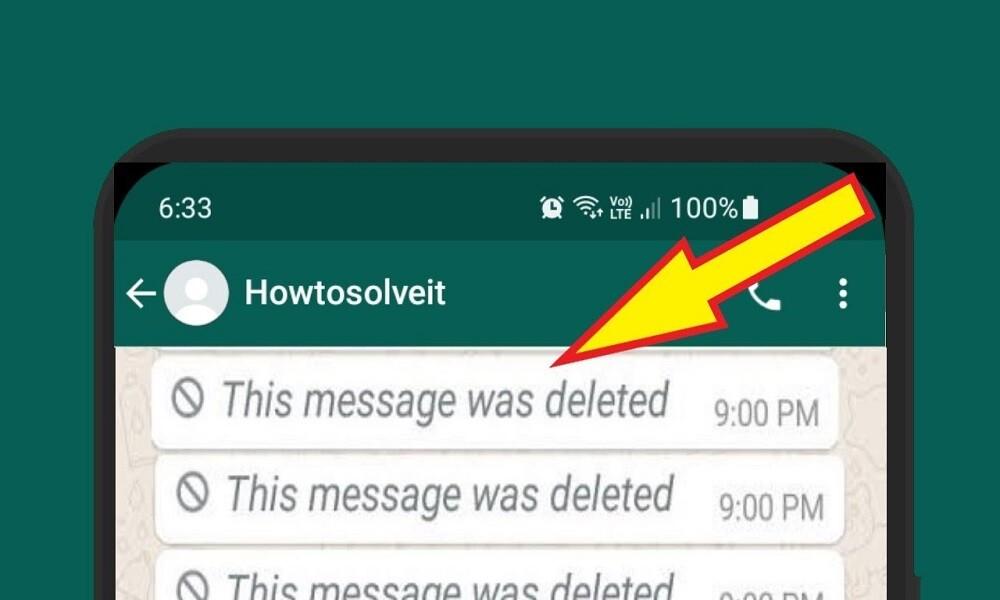
Disappearing chat records, secure messaging profiles, or frequent data wipes often correlate with minimized digital audit trails.
Usage of end-to-end encrypted messaging utilities (such as Telegram or Signal) typically points to advanced privacy settings.
Recommended Actions:
- Analyze Native Screen Time Metrics: Utilize built-in operating system diagnostics (such as iOS Screen Time or Android Digital Wellbeing) to review active application distribution charts.
- Observe Real-Time Desktop Transitions: Note if operational applications or chatting windows are rapidly minimized or hidden upon entering a shared space.
- Introduce Family Ecosystem Utilities: Suggest integrating shared administrative systems (like Google Family Link or standard ecosystem controls) to maintain verified mutual visibility.
5. Track Her Social Media Behavior

Suddenly posting selfies, engaging with unknown people, or hiding stories from you? These could all be signs of a double life online.
Watch out for newly hidden posts, frequent DMs, or secret accounts.
Recommended Actions:
- Establish Interconnected Social Profiles: Request reciprocal access to primary social networking feeds and pay attention to reactions regarding digital profile integration.
- Audit Unfamiliar Engagement Vectors: Evaluate persistent public interactions, tags, or recurring commentaries from profiles outside of known social circles.
- Cross-Reference Device Activity Records: Utilize consolidated ecosystem activity summaries to evaluate if time spent on social network parameters aligns with relationship transparency goals.
6. Evaluate Consistency Patterns and Avoidance Strategies

Relying on "network latency" or "dropped coverage" as a constant friction point is a noted operational avoidance pattern.
When matched with secondary indicators like avoiding direct visual engagement or offering overly detailed contextual explanations, it often suggests data concealment.
Recommended Actions:
- Initiate Fact-Based Dialogue: Address communication discrepancies and signal claims calmly and directly, referencing neutral observations rather than launching emotional accusations.
- Propose Professional Guidance Frameworks: Suggest entering couples counseling or structured relational therapy to systematically rebuild foundational trust and transparency.
- Evaluate Defensive Deflection Signals: Carefully analyze if objective inquiries are met with mature explanation or with defensive gaslighting tactics.
How to Emotionally Prepare Yourself for The Truth If You Catch Her Cheating
Discovering your cheating wife pretends the phone signal was bad can be deeply painful. Start by acknowledging that your feelings-anger, sadness, confusion-are valid.
Surround yourself with a support system, whether friends, family, or a therapist. Don't rush into big decisions immediately.
Instead, focus on processing the facts and giving yourself time to decide what healing looks like for you, whether that means reconciliation or separation.
Tools like SafeMyKid give you clarity, and clarity is the first step toward emotional strength.
Conclusion
If your cheating wife pretends the phone signal was bad, it might not just be a poor connection-it could be a serious trust issue hiding beneath the surface.
Pay close attention to changes in how she acts around her phone. With the right approach and discreet tools like SafeMyKid, you can calmly uncover the truth and take steps toward clarity.
Operational & Legal Compliance Advisory: SafeMyKid and its adjacent technical manuals are engineered exclusively for lawful parental guidance framework applications or consensual domestic data-sharing environments.
Deploying background services to intercept private communications without appropriate statutory permission is strictly subject to regional legal enforcement frameworks. Always confirm local compliance protocols before configuration.
Frequently Asked Questions on Relationship Signal Discrepancies
Find authoritative responses to common logistical and technical questions regarding communication patterns and device tracking integrity.
1. How can I tell if a phone signal is actually bad or being used as an excuse?
You can cross-reference connection claims with network logs and live positioning. Real network cellular drops generally prevent inbound calls from registering on carrier histories.
If an infrastructure log shows a steady data connection, or if live geolocation tools like SafeMyKid show consistent, real-time background positioning data during the alleged "bad signal" interval, the network coverage issue is highly likely a behavioral avoidance strategy rather than a technical failure.
2. What is the difference between emotional distancing and digital privacy?
Digital privacy involves securing credentials, while emotional distancing manifests as active communication evasion. It is standard relational practice to maintain personal accounts.
However, when a partner actively misrepresents device connection statuses, frequently alters application navigation layers upon your approach, or minimizes functional system analytics tables (like screen time summaries), this shift moves past typical privacy bounds and points toward structured information concealment.
3. Can basic network logs prove if a partner is intentionally ignoring calls?
Standard mobile carrier billing logs only document completed operational actions. While an official carrier statement records the timestamp of a completed text transaction or call, it cannot capture unfulfilled inbound notification logs or real-time application connection interruptions.
To analyze deeper metadata logs and deleted background notifications securely, advanced administrative tools like SafeMyKid are implemented during structured data alignment.
4. Is it legally compliant to deploy background diagnostic tools on a shared family device?
Legal parameters strictly depend on direct device authorization, platform ownership, and regional statutes. Reviewing primary billing infrastructure registered under your personal or joint household profile typically falls within standard asset verification guidelines.
However, initializing system utilities or synchronization tracking profiles on an adult’s device without their explicit consent presents a complex legal scenario. Utilizing these tools exclusively within a mutual transparency framework is always advised.
5. What is the most constructive response if data indicates a structural trust breach?
Prioritize fact-based communication over immediate emotional confrontation. Reviewing gathered system logs and behavior timelines objectively allows you to present clear data points rather than speculation.
Transitioning the discussion into a professional mediation framework, such as structured couples therapy, is the most sustainable approach to resolving profound transparency disputes.



 Hot Topics