10 Trick Questions to Ask Your Boyfriend to See If He’s Cheating: Signs, Answers & What to Watch For

If you suspect your boyfriend may be hiding something, asking thoughtful and strategic questions can help you understand what's really happening. While no single question can prove infidelity, certain conversation starters may reveal inconsistencies, emotional distance, or behavioral changes that deserve attention.
In this guide, you'll learn the best trick questions to ask your boyfriend to see if he's cheating, common warning signs of infidelity, and healthy ways to approach relationship concerns before jumping to conclusions.

Quick Answer: The best trick questions to ask your boyfriend to see if he's cheating are questions that test consistency, emotional engagement, and transparency.
Examples include asking about recent whereabouts, social media interactions, future relationship plans, and unexpected details about recent conversations.
Warning Signs Your Boyfriend Might Be Cheating
If your boyfriend exhibits certain behaviors, they might signal that something is amiss in your relationship. Before diving into the 10 trick questions to ask your boyfriend to see if he's cheating, watch for these red flags.

- He's secretive with his phone: If he suddenly becomes overly protective of his phone or starts hiding it from you, it could suggest he's hiding something.
- He doesn't want to spend time with you: A sudden shift in interest or avoidance of quality time together might indicate that his attention is focused elsewhere.
- His explanations feel vague or too detailed: If his stories don't add up, or he over-explains every small detail to cover his tracks, it's a red flag.
- He avoids deep conversations or gets defensive quickly: If he shuts down during serious discussions or gets defensive without reason, he may be trying to deflect suspicion.
When you notice two or more of these behaviors, it may be time to ask direct or trick questions to ask your boyfriend to see if he's cheating, to better understand what's happening.
What Research Says About Infidelity
Research consistently shows that changes in communication patterns, increased secrecy, and emotional distancing are among the most commonly reported warning signs in relationships affected by infidelity.
However, experts caution that these behaviors do not automatically mean someone is cheating. Stress, work demands, mental health challenges, and personal struggles can sometimes create similar patterns.
10 Best Trick Questions to Ask Your Boyfriend to See If He's Cheating (With What His Answers May Reveal)
These questions sound innocent, but they can trip up someone who's hiding the truth. Ask them casually and observe how they react.
Question #1: "Where were you last Saturday around 8 PM?"
A cheating boyfriend may struggle to keep track of his stories when asked about specific times. If he pauses too long, gives an overly vague answer, or says "Why do you ask?"-that's a sign he's being evasive or hiding something.
Why it works: People who are being dishonest often struggle to keep details consistent over time. Asking about a specific moment can reveal hesitation or contradictions.
What to watch for: Long pauses before answering, inconsistent timelines, vague explanations, or responses that become more detailed only after follow-up questions.
Question #2: "What was the name of the place we ate at last month?"
This question tests his memory of shared experiences and shows whether he's emotionally engaged in the relationship. If he struggles to recall details like the name of a place you've been together, it may indicate he's distracted or mentally checked out.
Why it works: People who are emotionally engaged in a relationship usually remember meaningful shared experiences. Difficulty recalling important moments may not indicate cheating on its own, but it can reveal emotional distance or reduced investment in the relationship.
What to watch for: Difficulty recalling meaningful shared experiences, lack of interest in the conversation, or a pattern of forgetting important moments you've spent together.
Question #3: "What was I wearing the last time we met?"
A simple yet effective question to measure his attention to detail and emotional investment in your relationship. If he's paying attention to you, he'll remember the little things like what you wore, but if he seems distant or uninterested, it may be a sign he's involved with someone else.
Why it works: This question tests how attentive your boyfriend is to everyday details about your relationship. While forgetting an outfit is normal, consistently missing personal details can sometimes signal distraction or emotional detachment.
What to watch for: Complete disinterest in personal details, distracted responses, or signs that he pays little attention to your interactions and shared experiences.
Question #4: "Who is that girl who always likes your Instagram posts?"
Watch how he reacts to this question, does he become defensive, nervous, or even overly eager to explain? If he over-explains or brushes it off too quickly, he may feel uncomfortable discussing the topic, as overcompensating often signals guilt.
Why it works: Unexpected questions about social media interactions often trigger natural reactions. Someone with nothing to hide will usually answer comfortably, while excessive defensiveness or over-explaining may suggest discomfort with the topic.
What to watch for: Sudden defensiveness, irritation, over-explaining the relationship, changing the subject, or becoming unusually protective of social media activity.
Question #5: "Would you mind if I used your phone to Google something?"
This is a direct test of his comfort level with transparency. If he reacts by panicking, grabbing the phone back quickly, or offering an unnecessary excuse, it may suggest discomfort with transparency or feel guilty about his actions.
Why it works: Transparency is an important part of trust. This question helps you observe whether he reacts calmly or becomes unusually protective of his device. The reaction itself is often more revealing than the answer.
What to watch for: Immediate refusal, nervous behavior, quickly grabbing the phone, hiding the screen, or creating unnecessary reasons why you shouldn't use it.
Question #6: "Why did your location show something different from what you said?"
This question directly challenges his credibility and adds a layer of logical reasoning by referencing technology. If he's caught off guard or gives a shaky excuse, it may raise questions that deserve further clarification he doesn't want you to know.
Location data may occasionally be inaccurate due to GPS, network, or device-related factors.
Why it works: Questions involving facts or verifiable details can make it harder for someone to maintain an inaccurate story. Honest explanations are usually clear and consistent, while dishonest answers may contain confusion or unnecessary details.
What to watch for: Contradictory explanations, blame shifting, excuses that change over time, or explanations that don't fully address the discrepancy.
Question #7: "Have you ever thought about being with someone else?"
This emotional question forces him to confront his feelings, putting him in a vulnerable position. If he avoids answering directly, becomes defensive, or deflects the question, it could suggest that he's entertaining thoughts of cheating or already emotionally detached from the relationship.
Why it works: This question explores emotional commitment rather than physical behavior. A thoughtful and honest response can reveal how he currently feels about the relationship and whether his long-term intentions still align with yours.
What to watch for: Avoiding the question, giving overly vague answers, reluctance to discuss the future of the relationship, or signs of emotional detachment.
Question #8: "If I asked your best friend where you were last night, what would he say?"
This question applies pressure by introducing a third party who may inadvertently reveal the truth. If he seems anxious or offers a too-smooth response, it could indicate he's trying to cover up where he actually was, especially if his story doesn't match.
Why it works: Mentioning a third party introduces accountability. People who are telling the truth typically remain consistent, while those hiding information may become uncomfortable when they realize their story could be verified by someone else.
What to watch for: Visible discomfort, hesitation before answering, attempts to joke about the question, or concern about what others might say regarding his whereabouts.
Question #9: "Why don't we spend as much time together anymore?"
This question addresses a shift in your relationship dynamics and can help gauge his willingness to reconnect. If he brushes it off with excuses or shifts blame elsewhere, it's a sign he might not be as invested as he should be, which could indicate infidelity.
Why it works: Changes in quality time are often one of the earliest relationship warning signs. This question encourages an open discussion about priorities, emotional connection, and whether external factors are affecting the relationship.
What to watch for: Repeated excuses, unwillingness to discuss relationship concerns, blame directed entirely at external circumstances, or lack of interest in improving the situation.
Question #10: "Is there anything you want to tell me-something I wouldn't like?"
This open-ended question forces him to think about his actions and whether he has anything he's been hiding. If he hesitates, becomes defensive, or avoids giving a direct answer, it may indicate reluctance to discuss sensitive topics openly, possibly related to cheating.
Why it works: Open-ended questions create space for honesty without making direct accusations. They can reveal whether your boyfriend is willing to communicate openly or whether he appears uncomfortable discussing sensitive topics.
What to watch for: Noticeable hesitation, changes in tone, nervous body language, defensive reactions, or attempts to end the conversation without addressing the question directly.
These are the exact 10 trick questions to ask your boyfriend to see if he's cheating. Ask them at different times and casually.
Why Use Trick Questions to Catch a Cheater
Strategic questions work because they encourage spontaneous responses. When someone is being dishonest, maintaining a consistent story can become difficult.
Rather than accusing your partner directly, these questions create opportunities to observe communication patterns, emotional openness, and behavioral consistency.
Keep in mind that nervousness alone does not indicate cheating. Stress, misunderstandings, and unrelated personal issues can also influence how someone responds.
Can Trick Questions Actually Reveal Cheating?
Trick questions cannot confirm cheating on their own. However, they can help identify inconsistencies, unusual reactions, or emotional distance that may warrant a deeper conversation.
Relationship experts generally recommend looking for patterns rather than relying on a single answer or behavior.
What Relationship Experts Say:
According to many relationship counselors, a single suspicious answer is rarely enough to confirm infidelity. Experts generally recommend paying attention to long-term patterns such as emotional withdrawal, secrecy, inconsistent explanations, and sudden behavioral changes rather than relying on one conversation alone.
Licensed therapists also emphasize that open communication and observation of repeated behaviors are often more reliable than direct accusations when trust concerns arise.
Gain Additional Relationship Insights With SafeMyKid

Before diving into the questions, here's a smart and subtle solution that works: SafeMyKid-a tool that may help you better understand digital communication patterns when trust concerns arise without confrontation. This app gives you real-time access to his phone activity, so you don't even need to ask.
SafeMyKid offers an efficient and discreet way to gain additional insights into communication patterns without direct confrontation. Tracking calls, messages, and app usage, it allows you to stay informed about his behavior, including conversations he may be trying to hide.
Why SafeMyKid Is The Best Option to Catch a Cheating Boyfriend
If you're looking for a way to catch a cheating boyfriend without raising suspicions, SafeMyKid stands out as the most reliable tool.
Not only does it allow you to monitor your boyfriend's phone activity in real time, but it also offers a host of features that make it easy to track his every move discreetly.
Key features include:
- Monitor Phones in Real Time: You can easily access his call logs, text messages, social media chats, GPS locations, photos, and videos, ensuring you have a comprehensive view of his phone activities.
- Hidden and Discreet: SafeMyKid operates quietly in the background, so it operates with minimal disruption to normal device usage. This makes it perfect for gathering information safely without confrontation.
- Access to Social Media Activity: Monitor his Facebook, WhatsApp, Instagram, and other social media platforms for suspicious behavior or conversations.
- Location Tracking: Access location-related activity when legally authorized, and receive alerts if he strays from his usual locations or visits places you find concerning.
- Photo & Video Monitoring: View any media he receives or sends, which can provide clear evidence if something's amiss.
SafeMyKid makes it easier than ever to better understand relationship concerns, providing you with all the information you need, without ever having to ask those trick questions to ask your boyfriend to see if he's cheating.
How to Use SafeMyKid to Catch a Cheating Boyfriend
If you're serious about discovering the truth, SafeMyKid is the perfect tool to help you monitor your boyfriend's activities. This method provides you with all the information you need discreetly, so you can confirm your suspicions before you even ask a single question.
How to Catch a Cheating Boyfriend on Android
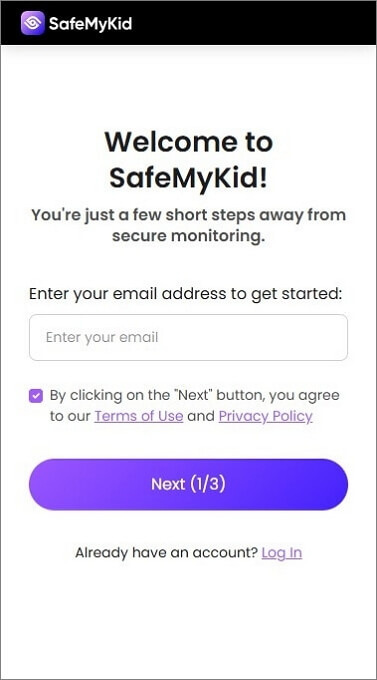
Step 1. Sign up for a SafeMyKid Account
Create your account on the SafeMyKid website.
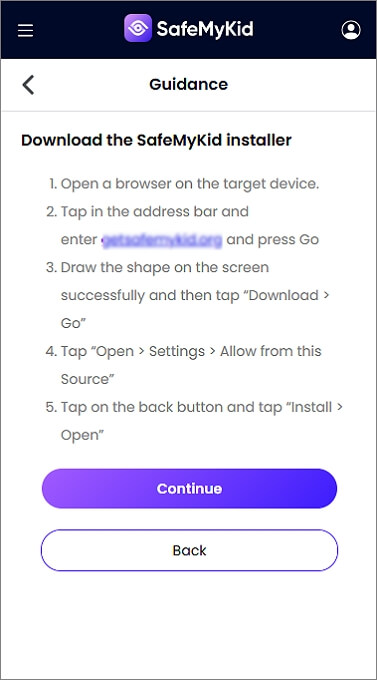
Step 2. Install The Android App on His Phone
The app can be installed in under 5 minutes, and once set up, it will operate in the background after setup is completed.
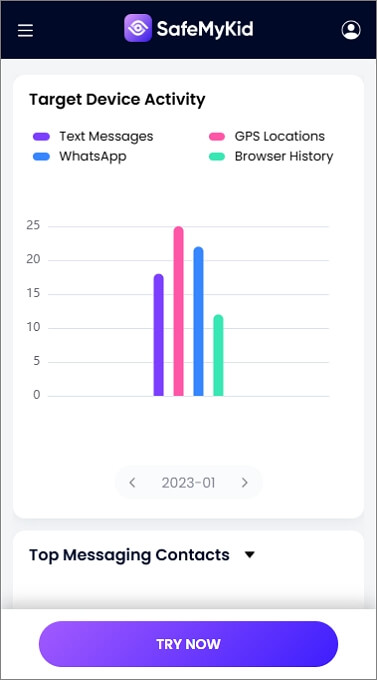
Step 3. Check if He's Cheating on Android without Asking Trick Questions
Access the user-friendly dashboard from your device and monitor his phone activities in real-time.
How to Catch a Cheating Boyfriend on iPhone
Step 1. Create Your SafeMyKid Account
Sign up on the SafeMyKid website and set up your account.
Step 2. Connect an authorized iCloud account
Unlike Android, no app installation is necessary. Access should only be performed with proper authorization and account ownership rights.
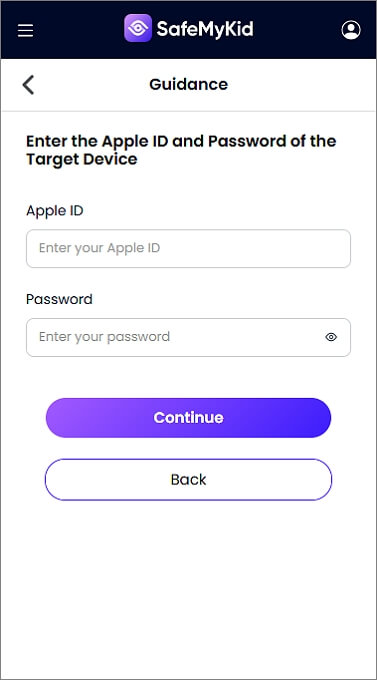
Step 3. Check if He's Cheating on iPhone without Asking Trick Questions
Once connected, you can see his call logs, messages, location, and even media files securely from your dashboard.
With SafeMyKid, you can confirm suspicions before asking the first trick question to ask your boyfriend to see if he's cheating. It's that easy to gain the insight you need while helping you make informed decisions and stress-free.
What You Should Do If You Confirm Your Boyfriend Is Cheating

What Relationship Experts Say About Suspected Infidelity
Many relationship counselors recommend focusing on communication before making assumptions. Changes in behavior may be caused by stress, work pressure, mental health challenges, or other personal issues unrelated to cheating.
If concerns persist, an honest and respectful conversation is often the healthiest first step.
If you've confirmed your boyfriend is cheating, it's important to handle the situation with care and self-respect. Here are key steps you can take to protect your well-being and move forward with clarity:
- Prioritize your emotional health: Talk to someone you trust, such as a close friend, family member, or therapist. Getting your feelings out is a healthy first step toward healing.
- Avoid impulsive decisions: Take time to process what's happened before making any major moves. You don't need to decide immediately whether to stay or leave.
- Evaluate the relationship honestly: Ask yourself if you can rebuild trust and whether your partner is genuinely remorseful and willing to change.
- Set clear boundaries: Whether you choose to stay or go, define what's acceptable moving forward and what you won't tolerate.
- Choose what's best for you: If the relationship is no longer serving your well-being, it's okay to walk away.
- Focus on self-care and healing: Surround yourself with support, engage in activities that bring you peace, and take time to rediscover your strength and self-worth.
Cheating is painful, but how you rise from it defines your future more than the betrayal itself.
Conclusion
Key Takeaways
- Trick questions can help reveal inconsistencies but cannot prove cheating.
- Behavioral patterns are more important than a single suspicious answer.
- Emotional distance and secrecy are common relationship warning signs.
- Healthy communication should always come before accusations.
- Trust concerns are best addressed through observation, discussion, and evidence-based decisions.
The best trick questions to ask your boyfriend to see if he's cheating are the ones that encourage honest conversation while helping you spot inconsistencies, emotional distance, or unusual behavior patterns.
While these questions can provide valuable insight, they should never be treated as definitive proof of cheating. Instead, use them alongside careful observation, open communication, and a broader understanding of relationship dynamics.
Whether you're dealing with suspected infidelity, trust issues, or simply seeking reassurance, focusing on facts rather than assumptions will help you make healthier and more confident decisions moving forward.
FAQs on Trick Questions to Ask Your Boyfriend to See if He's Cheating
Before we wrap up, here are some frequently asked questions that can offer additional clarity and guidance as you navigate this difficult situation.
1. Can trick questions really tell if your boyfriend is cheating?
Trick questions can sometimes reveal inconsistencies, unusual reactions, or signs of emotional distance, but they cannot definitively prove cheating. The best trick questions to ask your boyfriend to see if he's cheating should be used to identify patterns rather than draw conclusions from a single answer.
Relationship experts generally recommend combining observations, communication, and behavioral patterns before making assumptions about infidelity.
2. What should I do if I think my boyfriend is cheating?
Start by focusing on facts rather than assumptions. Observe changes in behavior, communication habits, and relationship dynamics over time. Avoid making accusations before gathering enough context.
Speaking with a trusted friend, counselor, or therapist can also help you process your emotions and approach the situation more rationally.
3. How can I verify my concerns without invading my boyfriend's privacy?
If you have concerns about trust in your relationship, experts generally recommend open communication as the first step. Honest conversations often provide more clarity than assumptions.
When evaluating suspicious behavior, focus on observable patterns, inconsistencies, and relationship changes rather than relying on a single piece of information.
4. What are common signs your boyfriend may be cheating?
Common warning signs include increased secrecy, sudden changes in communication habits, emotional withdrawal, unexplained schedule changes, and inconsistent explanations.
However, these signs alone do not confirm infidelity. Stress, work pressure, and personal challenges can sometimes create similar behaviors.
5. When should I confront my boyfriend about cheating concerns?
It's usually best to avoid confronting your boyfriend during moments of anger or frustration. Instead, wait until you can discuss your concerns calmly and respectfully.
If you've noticed multiple warning signs or repeated inconsistencies, having an honest conversation may help you better understand what's happening.
6. Can a loyal boyfriend still react nervously to these questions?
Yes. Nervousness alone does not indicate cheating. Some people become anxious when they feel questioned, accused, or put on the spot.
That's why it's important to look for repeated inconsistencies and long-term behavioral patterns instead of focusing on a single reaction.
7. How can I tell the difference between cheating and relationship stress?
Relationship stress often affects communication, mood, and availability, but it doesn't necessarily involve deception. Cheating concerns typically arise when changes in behavior are accompanied by secrecy, inconsistent explanations, or avoidance.
Looking for patterns over time can help you distinguish between temporary challenges and more serious trust issues.
8. What questions do cheaters usually avoid answering?
People who are hiding information often avoid questions involving timelines, locations, future plans, or situations that can be verified by others. However, avoidance alone should not be treated as proof of dishonesty.
9. Can emotional cheating be more damaging than physical cheating?
For some people, emotional cheating can be just as painful as physical infidelity because it involves a loss of trust, emotional intimacy, and connection within the relationship.
The impact often depends on personal values and the specific circumstances involved.


 Hot Topics