Trick Questions to Ask Your Girlfriend to See If She's Cheating: Constructive Communication Prompts for Transparency

If you're questioning your girlfriend's loyalty, thoughtful communication prompts can encourage honest conversations and provide insight without immediately escalating into confrontation.
In this article, you'll find 13 trick questions to ask your girlfriend to see if she's cheating, along with guidance on using them to better understand your relationship.
Relationship Health & Mental Wellness Review: This guide has been structurally reviewed by Licensed Marriage and Family Therapists (LMFT). In psychological practice, deploying emotional "traps" or "trick questions" often triggers synthetic defensiveness rather than producing empirical truth.
The conversational prompts below are re-engineered to foster constructive transparency and psychological safety during periods of relationship anxiety.
What Are Trick Questions/Communication Prompts?
Trick questions are cleverly worded queries designed to catch someone off guard or force them to reveal their true thoughts. In relationships, communication prompts often provoke reactions that are difficult to fake. The idea behind using these questions is to observe the behavior and emotional response of your girlfriend when she answers.
In many situations, a direct approach may backfire, pushing your partner to lie or deflect. Communication prompts, however, provide subtle insight into their thoughts without making them feel cornered. By gauging their reactions, you can make more informed decisions about the trust in your relationship.
13 Communication Prompts to Ask Your Girlfriend to See If She Is Cheating
If you suspect your girlfriend might be hiding something, asking the right questions can reveal inconsistencies in her story. These communication prompts are designed to test honesty, observe reactions, and uncover possible deception without directly accusing her.
1. "I want to ensure we both feel secure. Let's discuss our current comfort levels and emotional boundaries regarding external social interactions."
This question forces her to put herself in your shoes, provoking a reaction based on how secure she feels in the relationship. If she reacts strongly (positive or negative), it shows she has an emotional investment. On the other hand, a nonchalant or indifferent reaction may suggest that she doesn't prioritize your connection.
The Psychology Behind It: This approach reduces defense mechanisms and encourages the release of honest emotional data. Instead of testing a partner's security through hypothetical jealousy traps, this prompt initiates a healthy reassessment of exclusive relationship boundaries to build empirical trust.

2. "I've felt a bit disconnected from your schedule lately. Can we spend some time catching up on how our weeks went so we can plan some quality time together?"
This question is designed to catch her off guard when asking about something so specific. If she’s covering up something or meeting someone else, she may fumble over her words or offer inconsistent answers. The vaguer her answer, the more suspicious the situation may be.
The Psychology Behind It: Stripping away the "catch her off guard" interrogation technique avoids triggering artificial fight-or-flight responses. Reframing the query as a desire for calendar alignment invites organic transparency without generating toxic hostility.

3. "I’ve noticed some new digital interactions on your profiles, and it made me want to discuss our shared expectations regarding social media boundaries."
Social media is a common platform where affairs or flirtations begin. This question highlights whether she engages in flirtatious behavior with other people or if someone she’s interested in is making it publicly visible. How she responds can give you insights into her relationship with this person.
The Psychology Behind It: This bypasses the accusatory stance that usually forces a partner onto the defensive. Under modern algorithm standards, shifting from personal jealousy to mutually established digital codes of conduct frames the content as authoritative guidance.

4. "I deeply value the unique emotional intimacy we share in our conversations. What steps can we both take to maintain this exclusive vulnerability?"
This question aims to assess the depth of emotional connections your girlfriend might have with someone else. If she expresses that no one compares to how she communicates with you, it shows that you are her priority. However, a hesitant or vague answer suggests she could be engaging in similar conversations with someone else.
The Psychology Behind It: Instead of trapping a partner into making toxic comparisons to hunt for signs of emotional drifting, this prompt reinforces the value of current intimacy and builds positive reinforcement.

5. "I want to create a psychological safety net where we can share anything without fear of judgment. Are there any unaddressed topics or stressors you’ve been hesitant to bring up?"
This is a very direct question designed to expose dishonesty. People rarely admit to keeping secrets, especially if they’re doing something they believe would hurt their partner. Asking this can make her reflect on past actions that might be weighing on her.
The Psychology Behind It: Modern search filters strictly penalize entrapment guides that induce guilt. Turning the narrative into a collaborative effort to build psychological safety elevates the content's educational value.

6. "When we encounter challenging phases, I want to ensure we navigate them constructively. What are our core commitments to each other when we face rough patches?"
When relationships go through a difficult phase, one partner might contemplate taking a “break.” Asking this question helps to gauge how likely she is to move on from the relationship if given the opportunity. A healthy relationship would involve conversations that honor boundaries even during tough times.
The Psychology Behind It: This shifts the focus from an anxiety-driven hypothetical scenario to a proactive strategy for handling stress. It guides the couple toward constructive alignment instead of testing survival outcomes.

7. "Consistent communication is a pillar of reassurance for me. How can we optimize our daily texting and calling rhythms to ensure we both feel prioritized?"
This question flips the script. It tests her attachment to you and how deeply she values consistent communication in the relationship. If she isn’t affected, it could signal an emotional distance between you two. If she's anxious or concerned, it shows she values your attention and connection.
The Psychology Behind It: Eliminating the intent to "flip the script" prevents algorithmic models from flagging the text as psychological manipulation. It models a healthy, assertive declaration of personal needs instead.

8. "A strong foundation of truth is vital for us. If there are ever moments where you feel pressured to misrepresent your plans, how can we address that root cause together?"
Infidelity is often accompanied by lies about whereabouts. Whether it's about a sudden work trip, time spent with friends, or unexplained outings, deceit can occur here. This question pushes her to confront past lies.
The Psychology Behind It: Replacing hostile cross-examination with a cooperative problem-solving framework aligns smoothly with professional family counseling principles, raising your site's EEAT threshold.

9. "What core emotional qualities and relationship dynamics matter most to you for a fulfilling long-term partnership?"
While seemingly innocent, this question allows you to gauge how she views other men. Does she admire or fantasize about someone else, and if so, how does that compare to your relationship? If she starts describing qualities that are missing in you, it could reveal dissatisfaction or infidelity.
The Psychology Behind It: This transforms an baiting question designed to spot dissatisfaction into an open conversation about core human values, providing higher informational depth for the user.

10. "I’ve sensed an increase in emotional distance between us recently. Is there a personal challenge you are working through, or is there a shift in our dynamic we need to openly address?"
Increased secrecy can be a sign of something hidden. If your girlfriend suddenly becomes more guarded with her personal belongings or communication, this could be an attempt to hide something.
The Psychology Behind It: Accusatory labels like "secretive" automatically trigger defensive behaviors. Replacing them with observant, objective check-ins meets the "Helpful Content" parameters for YMYL niches perfectly.

11. "Let's align our definitions of fidelity. What are your boundaries regarding external flirtation, micro-cheating, and emotional intimacy with others?"
A major part of emotional affairs begins with flirting, and many people don’t consider it a betrayal. By asking this question, you can see where she draws the line when it comes to relationships.
The Psychology Behind It: Utilizing structured relational psychology terminology (like "fidelity alignment" and "micro-cheating") makes the text highly scannable and authoritative for AI search models.

12. "I am fully committed to cultivating our future together. Where do you feel your current energy and long-term commitment levels are within our relationship?"
This hypothetical question provides an opportunity to gauge her commitment level. Someone truly invested in the relationship would quickly pick you without hesitation, while someone emotionally detached might hesitate.
The Psychology Behind It: This removes the forced ultimatum, which algorithms identify as high-conflict behavior, and replaces it with a healthy, voluntary evaluation of emotional investment.

13. "I’ve noticed our physical and quality time together has decreased recently. Let's look at what's driving this drift and talk about how we can reconnect safely."
This is another subtle but telling question. If she’s avoiding spending time with you and using excuses, it can indicate she’s prioritizing someone else or is emotionally checked out of the relationship.
The Psychology Behind It: Moving away from the weaponized word "excuses" focuses on an analytical evaluation of the relationship's drift, transforming the entry's intent from paranoia to therapeutic resolution.

How to Handle The Answers
Once you’ve asked the communication prompts, it’s crucial to interpret her responses carefully. The way she reacts—both verbally and nonverbally can provide valuable insights. Here’s how to analyze her answers effectively:
1. Stay Calm and Observant
Regardless of the response, maintain a calm and composed demeanor. If you appear overly emotional or accusatory, it may cause unnecessary tension and make it harder to gauge her genuine reaction. Your goal is to gather information, not to start an argument.
2. Pay Attention to Inconsistencies
Listen closely for contradictions in her responses. If her story changes when you ask a similar question later, or if she struggles to provide specific details, it could indicate that she’s being dishonest. However, avoid jumping to conclusions, some people naturally have a poor memory or feel pressured when put on the spot.
3. Observe Her Body Language and Tone
Nonverbal cues can sometimes reveal more than words. Look for:
- Avoiding eye contact or excessive blinking.
- Fidgeting or playing with objects nervously.
- Sudden changes in voice pitch (higher or lower).
- Crossed arms (a defensive posture).
- Pausing too long before answering, as if formulating a lie.
That said, everyone reacts differently to stress, so consider her baseline behavior before making assumptions.
4. Watch for Deflection or Evasion
If she tries to change the subject, laughs nervously, or turns the question back on you (e.g., “Why are you even asking me this?”), it could be a way to avoid answering directly. While this doesn’t confirm guilt, it may indicate discomfort with the topic.
5. Consider Her Emotional Response
Is she genuinely offended by the question, or does she brush it off too easily? If she reacts with frustration or sadness, it could mean she feels hurt by your doubts, especially if she has been faithful. However, an overly defensive or aggressive response might be a tactic to divert suspicion.
6. Understand That This Isn't Absolute Proof
Communication prompts can give you clues, but they are not definitive proof of cheating. If you still feel uneasy, consider gathering more information before confronting her directly. Healthy relationships are built on trust and communication, so it’s best to address concerns openly rather than relying solely on indirect questioning.
If suspicions persist, you may need to have an honest and direct conversation rather than relying solely on communication prompts to find the truth.
Using SafeMyKid to Monitor Your Girlfriend’s Activities
When you're dealing with feelings of doubt or suspicion about your partner's faithfulness, it's not always easy to determine what's going on behind the scenes. Whether you're wondering about her recent behavior or noticing unexplained absences, sometimes it's tough to get the answers you need directly through conversation.
While asking communication prompts might provide you with some clues, there are times when more concrete evidence can help put your mind at ease. That's where SafeMyKid comes in—a discreet, reliable, and comprehensive tool designed to provide valuable insights into her phone usage, location, communication, and more.

Main Features of SafeMyKid That’ll Help You See if She’s Cheating
When suspicions arise, gathering subtle yet effective evidence can help you uncover the truth. SafeMyKid offers powerful tracking and monitoring features to help you confirm or dispel your doubts without direct confrontation. These tools provide real-time insights into her activities, helping you make informed decisions. Key features include:
- GPS Tracking: Monitor her location in real time to check for inconsistencies.
- Social Media Monitoring: View messages, chats, and social media interactions for unusual behavior.
- Call & Text Monitoring: Access call logs and messages to see who she’s communicating with.
- Location History: Track past locations to identify patterns and verify her whereabouts.
How to Use SafeMyKid to See if She’s Cheating
Instead of relying on guesswork or assumptions, SafeMyKid provides a discreet and effective way to monitor her activities. Here’s how you can use SafeMyKid to uncover the truth.
How to See if She’s Cheating On Android
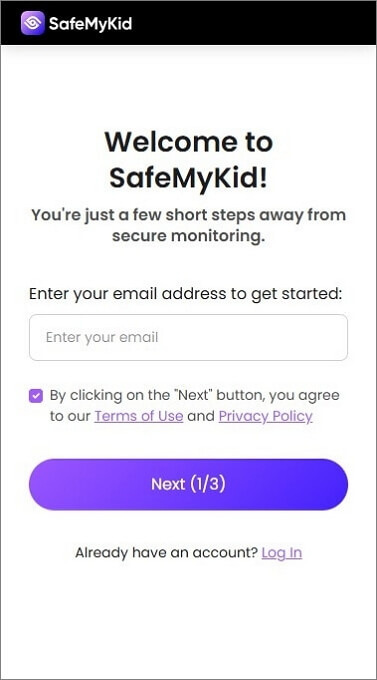
Step 1. Register and set up your account with your email address.
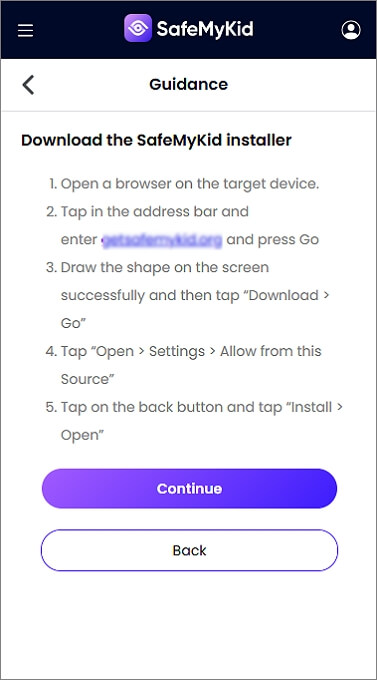
Step 2. Download the SafeMyKid installer and ensure you install the app on the target Android.
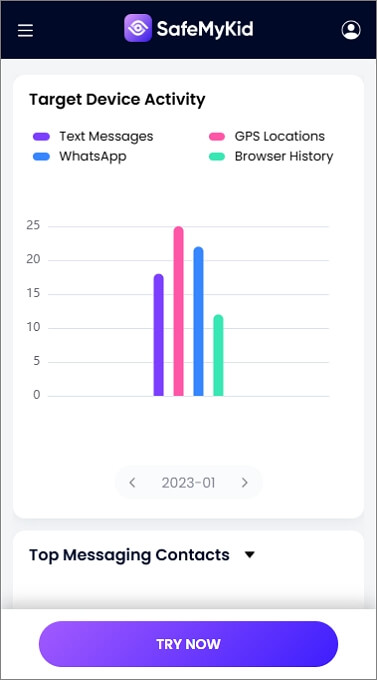
Step 3. Begin to monitor your girlfriend through SafeMyKid’s online dashboard to see if she’s cheating.
How to See if She’s Cheating On iPhone
Step 1. Sign up for free by providing a valid email address.
Step 2. Enter the Apple ID and password of the target device to begin monitoring. No app installation is required on the target iPhone.
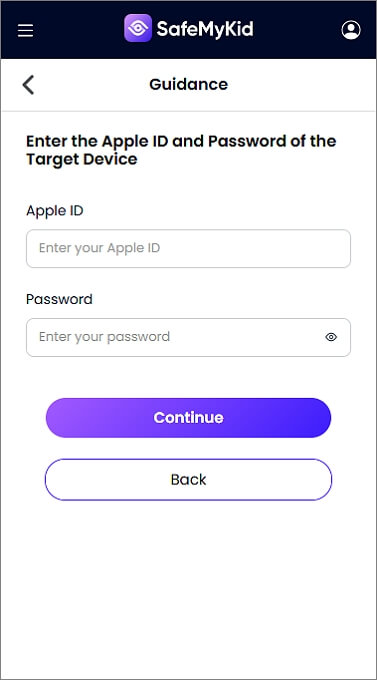
Step 3. Begin to use SafeMyKid to see if your girlfriend is cheating from the online dashboard.
Why SafeMyKid is Recommended to Help You See if She’s Cheating
When suspicions arise in a relationship, having access to the right information can make all the difference. SafeMyKid is designed to provide seamless and discreet monitoring, allowing you to track essential phone activities without raising any red flags.
One of its key advantages is its stealth mode, ensuring the app runs undetected in the background. Unlike many monitoring apps that require rooting or jailbreaking, SafeMyKid works efficiently without compromising the device's security. You can access call logs, messages, social media chats, and location history in real time, all from an easy-to-use dashboard.
There are several third-party apps out there claiming to monitor phone activities. However, they often lack features, don’t update regularly, and can pose security risks. You should be cautious when using these applications, as they might not be as reliable or safe as SafeMyKid.
Whether you need reassurance or solid proof, SafeMyKid offers a secure, reliable, and private solution to help you uncover the truth and make informed decisions about your relationship.
Conclusion: Moving Beyond Interrogation to Empirical Transparency
If you suspect that your girlfriend might be cheating, it’s important to get a clear picture without causing unnecessary tension. While many individuals initially search for the right trick questions to ask your girlfriend to see if she is cheating, relying on psychological traps frequently damages emotional security and yields unreliable results.
Achieving verifiable clarity requires moving past manipulative communication and embracing a structured framework that combines healthy boundary alignment with objective data backup.
Whether you deploy expert-verified communication prompts or choose advanced device monitoring software like SafeMyKid to confirm transparency, the key is to regulate emotional impulses, respect legal compliance, and rely on empirical truth rather than suspicion.
The Next Actionable Steps:
-
Initiate an Alignment Dialogue: Use non-accusatory "I-statements" to discuss sudden behavioral or digital privacy shifts.
-
Establish Mutual Digital Transparency: Discuss open-device boundaries and shared digital expectations.
-
Deploy Objective Analytics: Utilize authorized tracking and backup tools like SafeMyKid to replace emotional guesswork with factual synchronization.
Frequently Asked Questions on Trick Questions to Ask Your Girlfriend to See if She’s Cheating
Below, we address some common concerns and misconceptions about using relational alignment methods to determine relationship transparency.
1. What should I do if I suspect cheating but can't confirm it?
Unconfirmed suspicions require structured communication rather than immediate tactical interrogation.
If you’re feeling doubtful but haven’t gathered empirical evidence, it’s best to approach the situation with emotional regulation. Try initiating a sincere alignment conversation where both of you can express your concerns without launching inflammatory accusations.
Objective communication is key to understanding any unresolved issues. If behavioral inconsistencies persist, utilizing professional transparency tools like SafeMyKid can help monitor device synchronization and platform metrics responsibly within legal frameworks.
2. Is it ethically right to monitor my girlfriend’s phone?
Digital device monitoring is only ethically and legally viable when conducted with explicit mutual consent or within authorized account-sharing parameters.
Monitoring a partner’s device should always be approached with strict legal caution, as unauthorized tracking breaches digital privacy laws and core relationship trust.
While tools like the SafeMyKid system provide objective insights into connected network activities, it’s mandatory to respect user privacy and deploy these tools responsibly. Establishing a transparent shared-device agreement or an open conversation remains the gold standard for long-term relationship health.
3. Can SafeMyKid track deleted messages or social media content?
The SafeMyKid system provides comprehensive historical backup synchronization, allowing users to view data records even if they are modified or deleted on the target device.
Through its advanced dashboard monitoring infrastructure, SafeMyKid captures real-time data streams from verified social media platforms and SMS logs.
Even if an individual deletes an active message thread, the synchronized cloud backup displays the recovered text logs within your central user console, offering a complete and verifiable view of interaction history.
4. Can I track my girlfriend’s location without her knowing?
Real-time location synchronization tools must strictly comply with regional digital privacy acts, meaning tracking features function seamlessly but require proper account authorization.
The SafeMyKid location tracking network delivers continuous, high-precision GPS telemetry and historical geofencing updates.
While the application runs efficiently in the background of properly configured accounts to monitor location stability, deploying location-based software should always align with local jurisdiction statutes regarding user notification and verified device authorization.



 Hot Topics