How Can I Get My Husband's Text Messages on My Phone for Free? 8 Legal and Practical Methods

Many people search for how can I get my husband's text messages sent to my phone for free when looking for ways to improve communication, coordinate family responsibilities, or rebuild trust within a relationship.
While there are several ways to share messages across devices, the most effective solutions involve mutual consent, transparency, and respect for privacy.
This guide explains legitimate message-sharing methods, their advantages and limitations, and what couples should consider before using them.
Quick Answer: If you want to get your husband's text messages sent to your phone for free, the available options depend on the device type. iPhone users can use Apple's message-sharing features, while Android users can use Google Messages Web or approved backup solutions.
Free methods usually require access to the device, account verification, or permission from the phone owner.
Can You Get Text Messages Sent to Your Phone for Free?
Yes, some free methods can share text messages between devices, but they usually require access to the original device, account verification, or built-in phone features.
- iPhone users can use Apple's message sharing features.
- Android users can use Google Messages Web.
- Cloud backups can store message history when properly configured.
- Advanced monitoring features usually require paid solutions.

Common Reasons People Share Text Messages Between Devices
People share text messages between devices for practical reasons such as managing family schedules, keeping important information accessible, and coordinating daily communication.
- Communication Coordination- Many couples share message access to streamline family logistics and avoid miscommunication about schedules or commitments.
- Relationship Transparency- Some couples choose mutual monitoring as a way to build trust and demonstrate commitment to complete openness.
- Shared Device Management- Families with limited devices may need message sharing to ensure important communications aren't missed.
- Safety Concerns- When one partner travels frequently or works in high-risk environments, message forwarding provides peace of mind about their wellbeing.
- Trust Rebuilding- Following relationship challenges, temporary message sharing can sometimes form part of a mutual accountability agreement.
- Digital Assistance- Partners with technical difficulties or accessibility needs sometimes benefit from having messages forwarded to a more accessible device.
Understanding these motivations helps identify the most appropriate message-sharing approach for your specific situation and relationship context.
Things to Consider Before Sharing Text Messages
Before setting up message forwarding, couples should discuss expectations, privacy boundaries, and the purpose of sharing communications.
Mutual agreement helps avoid misunderstandings and ensures that message sharing supports trust rather than creating additional conflict.
- Discuss expectations openly.
- Respect personal privacy boundaries.
- Review legal requirements in your location.
- Decide whether message sharing is temporary or long-term.
- Focus on communication rather than surveillance.
SafeMyKid: The Best Tool for Authorized Message Monitoring from Your Husband
For those wondering how can I get my husband's text messages sent to my phone for free, SafeMyKid offers a communication-monitoring solution designed for situations where device owners have provided authorization and access.
Although SafeMyKid is commonly used for family device management, its features can also support authorized users who need visibility into device activity.
Compared with basic free message-sharing options, SafeMyKid provides additional monitoring features through a centralized dashboard when properly configured and authorized.
Depending on device settings and available permissions, SafeMyKid can help users review message activity and related device information from a centralized dashboard.
Key Features of SafeMyKid for Message Monitoring
- Complete Message Access- Access message activity and conversation records available through connected devices
- Multiple Messaging Platforms- Monitor SMS, iMessages, WhatsApp, Facebook Messenger, and more
- Media Attachments- See photos, videos, and files shared in conversations
- Contact Details- View complete information about message senders and recipients
- Real-time Updates- Receive messages as they occur rather than delayed reporting
- Activity Notifications- Receive updates based on configured monitoring preferences
- Comprehensive Dashboard- Access all monitoring data in an organized, easy-to-use interface
How to Set up SafeMyKid to Get Your Husband's Text Messages
Setting up SafeMyKid to receive your husband's text messages on your phone is straightforward and provides immediate access to his communications.
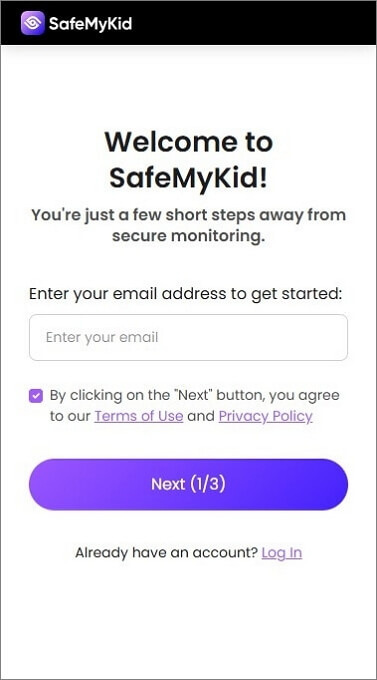
Step 1. Sign up and Create an Account
Register with your email address and create a secure password. Follow the on-screen instructions to complete your account setup and prepare for monitoring configuration.
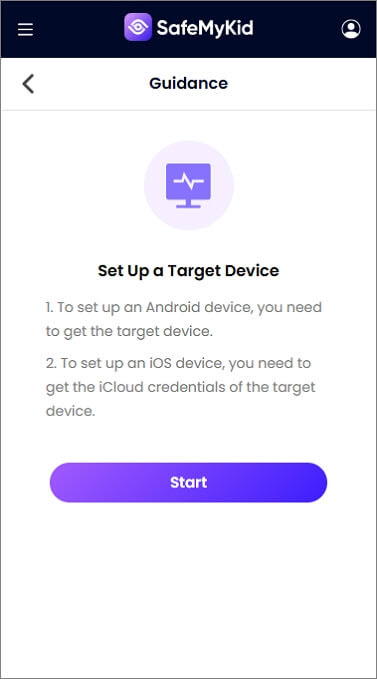
Step 2. Set up The SafeMyKid App
For iPhones: Set up the service using an authorized Apple account and follow the required verification steps.
For Android Devices: Download and install the app on the target device. The app can be configured according to the device settings and authorized monitoring requirements.
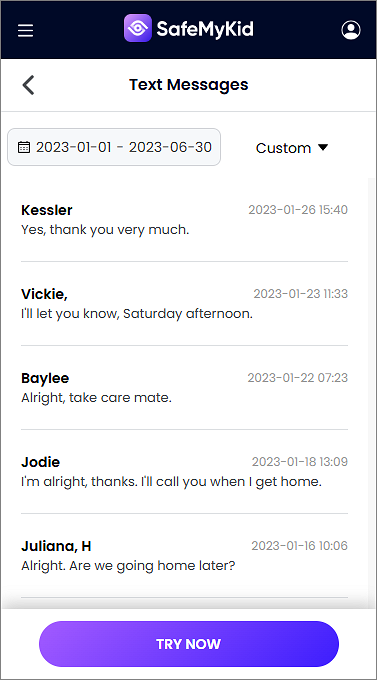
Step 3. Use SafeMyKid to Access Your Husband's Text Messages
Log in to your SafeMyKid dashboard to access all text messages in real time. Access available message information and communication activity through the dashboard that free methods cannot recover.
7 Legitimate Ways to Get Your Husband's Text Messages Sent to Your Phone for Free
| Methods | Best For | Works With | Cost | Main Limitation |
|---|---|---|---|---|
| iPhone Message Forwarding | Sharing iPhone messages across Apple devices | iPhone, iPad, Mac | Free | Requires authorized Apple settings and compatible devices |
| Google Messages Web Sync | Viewing Android SMS messages from another device | Android + Web Browser | Free | Requires phone pairing and an active internet connection |
| Shared Cloud Backups | Accessing saved message history | iPhone and Android | Free or depends on storage plan | Backup availability depends on account settings and sync status |
| SMS Backup Apps | Creating searchable message archives | Mainly Android devices | Free / Paid options | Usually requires installation and setup on the device |
| Family Communication Apps | Sharing conversations and family information | iPhone and Android | Free / Paid options | Only messages sent within the same app are shared |
| Shared Device Sessions | Using messaging apps across multiple devices | WhatsApp, Telegram, Messenger, and similar apps | Free | Limited to supported messaging platforms |
| Email Forwarding Rules | Sending specific notifications or messages to email | Depends on service support | Free | Not all messaging services support forwarding |
Before diving into the methods, it's important to understand why someone might want access to their partner's messages in the first place. For some couples, it's not about suspicion, but it's about connection.
1. iPhone Message Forwarding
Best for: Couples using Apple devices who want to share iPhone messages through built-in features without installing third-party apps.
The iPhone Message Forwarding feature lets you receive your husband's text messages directly on your device with his consent.
This native Apple solution syncs messages across multiple devices sharing the same Apple ID, ensuring you both stay updated with important communications.
Setup requires access to his iPhone settings menu to enable forwarding to your device, after which you'll receive a verification code to complete the process.
Pros: 
- Completely free with no additional app installations required
- Official Apple feature with reliable delivery and synchronization
- Works with both iMessages and regular SMS messages
Cons: 
- Only works within Apple's ecosystem (iPhone, iPad, Mac)
- Requires both devices to use the same Apple ID, which may affect other privacy settings
2. Google Messages Web Sync
Best for: Android users who need a free way to view SMS messages from another device through a browser-based connection.
Google Messages for Web allows viewing Android text messages through a browser on any device.
This method syncs your husband's Android messages to your computer or phone browser through a QR code pairing system.
Once connected, you'll see all incoming and outgoing messages in real time without installing additional software on your device.
Pros:
- Works on any device with a web browser, regardless of operating system
- No permanent app installation is needed on your device
- Provides access to message history, not just new messages
Cons:
- His phone must be turned on and connected to the internet
- The session eventually expires, requiring a new QR code scanning
3. Shared Cloud Backups

Best for: Users who need access to previously saved message history through authorized cloud backup accounts.
Many smartphones automatically back up messages to cloud services like iCloud or Google Drive. By sharing login credentials for these cloud accounts, you can access text message backups from your own device.
This method works across platforms and provides historical message data rather than just real-time monitoring.
Pros:
- Provides access to message history even if deleted from the phone
- Works across different device types with proper account access
- Doesn't require a constant phone connection once the backup is created
Cons:
- Backups may not update in real-time
- Requires full account access, which includes other personal data
4. SMS Backup Apps
Best for: Android users who want to create searchable backups of SMS conversations for easier message management.
Free SMS backup applications can automatically forward or sync messages to shared email accounts or cloud storage.
These third-party apps, like SMS Backup & Restore for Android, create accessible archives of text messages that can be viewed from any device with proper account access, creating an easily accessible record of communications.
Pros:
- Creates searchable archives of message history
- Many options offer automatic scheduled backups
- Some apps include multimedia message backup capabilities
Cons:
- Requires installation on your husband's device
- May have limited functionality in free versions
5. Family Communication Apps
Best for: Couples and families who prefer shared communication spaces instead of syncing private SMS messages.
Dedicated family communication apps create shared spaces where all messages are visible to connected family members. Apps like Family Wall, Couple, or Between establish mutual communication channels that both partners can access equally.
These platforms often include additional features like location sharing, calendars, and photo sharing.
Pros:
- Designed specifically for family transparency with consent
- Includes additional helpful family coordination features
- Creates equal access rather than one-sided monitoring
Cons:
- Only works for messages sent within the app itself
- Requires both partners to actively use the new platform
6. Shared Device Sessions
Best for: Users who want to access conversations from supported messaging platforms across multiple devices.
Logging into messaging accounts on multiple devices creates synchronized sessions where messages appear on all logged-in devices.
Whether using WhatsApp Web, Telegram, or Facebook Messenger, these platforms allow simultaneous access from multiple devices, creating automatic message mirroring with proper authentication.
Pros:
- Works with popular messaging platforms beyond basic SMS
- Updates in real-time as messages are received
- Usually includes desktop and mobile access options
Cons:
- Most platforms show notifications about multiple active sessions
- Works only within that specific messaging app, not for regular texts
7. Email Forwarding Rules

Best for: Users who need specific notifications or message-related information delivered through email instead of a messaging app.
Some messaging systems can automatically forward incoming messages to email addresses.
By setting up forwarding rules on your husband's phone, text messages can be automatically sent to a shared email account accessible from your device.
This method works particularly well for specific message types or from important contacts.
Pros:
- Can be selective about which messages get forwarded
- Works across different phone types and carriers
- Creates permanent records in email format
Cons:
- Not all messaging apps support email forwarding
- May require regular setup maintenance as systems update
Why Couples Choose to Share Messages
Some couples choose to share messages to improve coordination, stay informed, and maintain transparency in their daily communication.
Common reasons include:
- Family coordination: Managing schedules, appointments, and important updates.
- Convenience: Helping each other organize messages and daily tasks.
- Safety: Staying connected during travel or emergencies.
- Transparency: Building openness through mutual agreement.
Message sharing works best when both partners understand the purpose and agree on privacy boundaries.
Conclusion
If you're wondering how can I get my husband's text messages sent to my phone for free, several legitimate options are available, including built-in phone features, cloud synchronization services, and family communication tools.
The best solution depends on your goals, the devices involved, and the level of transparency both partners are comfortable with.
Ultimately, successful message sharing is built on consent, trust, and open communication. Technology can support transparency, but healthy relationships are strengthened through honest conversations and mutual respect.
FAQs about Getting Your Husband's Text Messages
Many people navigating similar concerns want clarity on what's legal, ethical, and possible. Below are some of the top questions and straightforward answers.
1. Is it legal to monitor my husband's text messages if we share a phone plan?
Sharing a phone plan does not automatically give permission to access someone's private messages. Whether monitoring is allowed depends on consent and the privacy laws in your location.
2. Can I see my husband's text messages on our family cell phone account?
Most mobile carriers only display billing details such as phone numbers, dates, and usage information. They typically do not provide the actual content of text messages through account portals.
3. Can I forward my husband's text messages to my phone without installing an app?
Generally, no. Legitimate text-sharing methods usually require device access, account verification, or the phone owner's permission. Be careful with services claiming they can forward messages secretly using only a phone number, as many are misleading or unsafe.
4. Can I see my husband's deleted text messages?
Usually, deleted messages cannot be viewed through standard text forwarding methods. Recovery may only be possible if the messages were previously saved through a backup service or another authorized data storage method.
5. Can I receive my husband's new text messages on my phone automatically?
Automatic message sharing usually requires a connected device, account authorization, or a compatible monitoring solution. Free methods often have limitations and may not provide real-time updates or message history.



 Hot Topics